
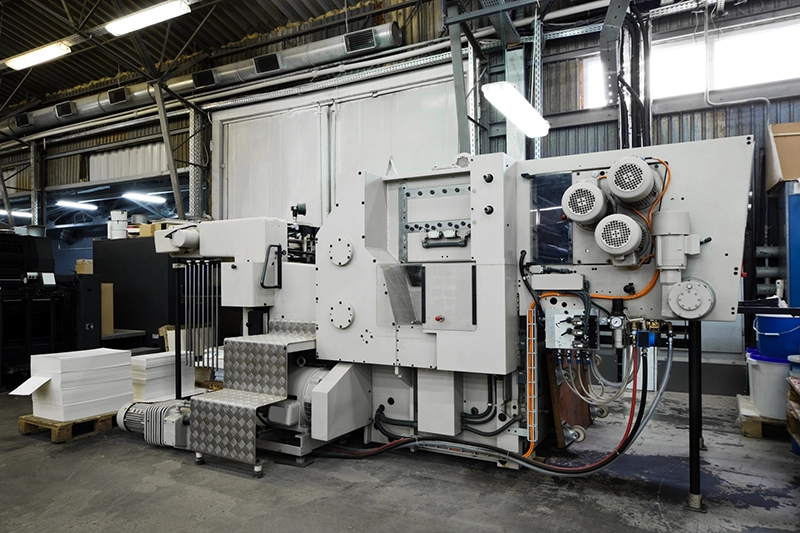
When you’re running a business, your equipment is often just as important as your employees. Whether it’s a refrigeration unit in a flower shop, a boiler in a café, or a server in an IT office, the failure of essential equipment can bring operations to a halt. Many business owners believe their commercial property insurance will cover these breakdowns—but that’s not always the case.
That’s where Equipment Breakdown Insurance comes in. It’s a powerful form of protection that can help keep your business running smoothly even when the unexpected happens.
What is Equipment Breakdown Insurance?
Equipment Breakdown Insurance covers the cost of repairing or replacing equipment that has failed due to an internal malfunction. It’s often referred to as “boiler and machinery insurance,” but it covers far more than just boilers.
Unlike property insurance, which typically covers external risks like fire, theft, or storm damage, equipment breakdown insurance focuses on internal mechanical and electrical failures.
Common types of covered breakdowns include:
- Mechanical failures, such as a seized motor or broken gear.
- Electrical arcing, which can destroy panels or circuits.
- Pressure vessel explosions, including boilers and tanks.
- Computer and phone system failures, due to power surges or defects.
- HVAC or refrigeration failures, which can affect air quality or spoil inventory.
It’s about protecting the systems and tools your business relies on every day.
Why Equipment Breakdown Insurance Matters
Even a short disruption can have a major financial impact. When critical equipment fails, businesses often face not only repair costs but also lost income, spoiled inventory, and unexpected downtime.
Here’s why this coverage is worth considering:
- Covers high-cost repairs: A broken walk-in freezer or failed HVAC system can cost thousands to replace.
- Protects income: If your business is forced to close temporarily, the policy can cover lost income.
- Reduces financial uncertainty: Knowing you have a backup plan gives you peace of mind.
- Includes extra expenses: Some policies cover the cost of renting temporary equipment or relocating operations.
Without this coverage, you may be on the hook for all of those expenses out of pocket.
What Types of Businesses Need This Coverage?
Equipment Breakdown Insurance isn’t just for manufacturers or large facilities. Many small and medium-sized businesses in Ontario depend heavily on their equipment—and a breakdown could be devastating.
Here are examples of businesses that would benefit from this type of protection:
Florists and Flower Shops
- Depend on refrigeration units to keep floral arrangements fresh.
- A sudden failure could lead to total product loss.
Restaurants, Cafés, and Bakeries
- Use ovens, coolers, fryers, freezers, and commercial dishwashers.
- Equipment failure can halt food service or spoil perishable items.
Medical and Dental Clinics
- Rely on diagnostic machines, sterilizers, and specialized lab equipment.
- Any downtime can result in cancelled appointments and lost income.
IT Companies and Offices
- Depend on servers, networks, telecommunication systems, and data storage.
- Electrical surges or hardware failures can disrupt business-critical operations.
Retail Stores
- Use point-of-sale systems, heating/cooling, lighting, and display refrigeration.
- Equipment failures can negatively impact customer experience and sales.
Laundromats and Dry Cleaners
- Machinery like washers, dryers, steamers, and presses are essential.
- Downtime equals lost revenue and unsatisfied customers.
Manufacturing and Production Facilities
- Machinery and automated systems are crucial to operations.
- A single breakdown can stop an entire production line.
If your business relies on equipment to operate or deliver service, equipment breakdown insurance is worth exploring.
What’s Typically Covered (and What’s Not)
While policies may differ between insurers, most equipment breakdown coverage includes protection for:
Covered
- Repair or replacement of damaged equipment
- Spoiled inventory or products (especially for refrigeration units)
- Lost income due to downtime
- Extra expenses like rental equipment or temporary relocation
Not Covered
- Equipment breakdown caused by lack of maintenance or negligence
- Normal wear and tear
- Damage from external events (covered under property insurance)
- Replacement of outdated technology due to obsolescence
It’s important to read your policy carefully and speak to your insurance broker about what’s included—and what isn’t.
Real-World Examples from Ontario Businesses
Here are a couple of Ontario-based examples that illustrate how this coverage can make a difference:
Example 1: Café Refrigeration Failure
A small café in Hamilton experienced a compressor failure on its main walk-in fridge over a long weekend. The business lost hundreds of dollars in perishable inventory. Their equipment breakdown policy covered the cost of:
- Replacing the compressor
- Spoiled food and ingredients
- Temporary refrigeration unit rental
Example 2: HVAC Shutdown in an Office Building
A law office in Ottawa faced a major disruption when their HVAC system shut down during a heatwave. The building became unusable for staff and clients. With breakdown insurance:
- Repair costs were fully covered
- The policy paid for temporary office space
- Business income coverage kept them afloat during downtime
These examples highlight how quickly things can go wrong—and how helpful the right policy can be.
How Much Does It Cost?
The cost of equipment breakdown insurance varies depending on your business type and operations, but it is generally affordable—especially when bundled with your existing commercial property policy.
Factors that influence pricing:
- Type of business and industry
- Age and condition of equipment
- Claims history
- Size of business operations
- Deductible amount and policy limits
In many cases, adding this coverage costs just a fraction more than a standard policy and can be bundled for convenience.

Get Your Commercial Property Insurance Quote
Don’t leave your business exposed. Get a customized commercial property insurance quote for your investment.
- Access to Canada’s leading insurers to get you the best combination of price and coverage for your business.
- Work with experienced brokers who understand the challenges of property ownership and help you find the best fit for your insurance.
- Flexible payment plans from multi-pay to monthly designed to fit your budget.
Tips for Choosing the Right Equipment Breakdown Policy
Not all policies are created equal. To make sure you’re getting the right protection, follow these steps:
- Work with an experienced Ontario insurance broker: A broker can help you assess your risk and find a policy that matches your equipment profile.
- Take inventory of your critical equipment: Identify machines or systems that are essential to your daily operations.
- Review coverage limits and exclusions: Make sure your policy will actually cover the types of equipment and losses that are most relevant to you.
- Consider optional coverage: Some insurers offer add-ons such as data recovery, cyber event protection, or expanded spoilage coverage.
- Check compatibility with other policies: Ensure there’s no overlap or gap between your property, business interruption, and breakdown insurance.
Being proactive now can prevent a financial headache later.
Whether you run a flower shop in Mississauga, a restaurant in Sudbury, or a tech firm in Toronto, your business depends on equipment that can—and sometimes will—fail. Equipment Breakdown Insurance is an affordable and practical way to protect against these risks.
It covers the cost of repairs, replacements, lost income, and even spoiled inventory—helping you get back to business with minimal disruption. If you haven’t reviewed your equipment risks recently, now is a great time to speak with an insurance professional and make sure your coverage meets your needs.