
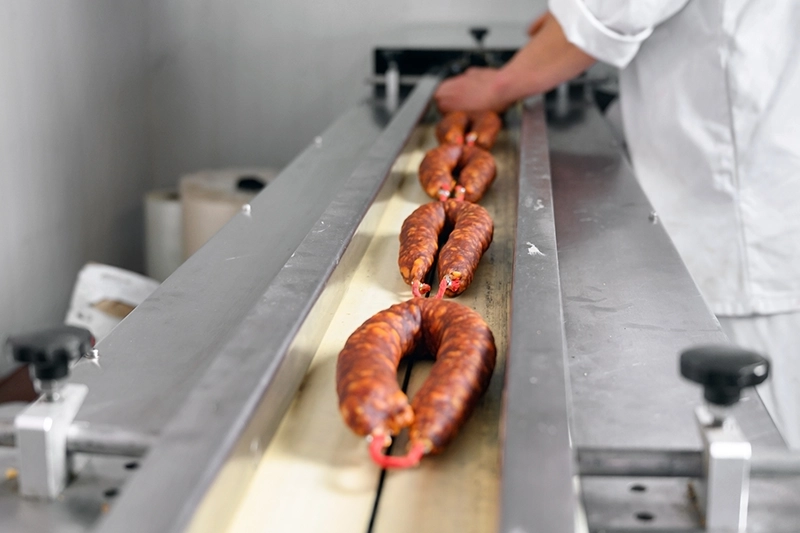
Manufacturing facilities are the backbone of countless industries across Ontario. Whether your business produces consumer products, food and beverages, or industrial materials, your facility is the heart of your operation. Keeping it safe and secure isn’t just about protecting property—it’s about ensuring continuity, meeting customer demands, and safeguarding the livelihood of your employees.
Ontario manufacturers face many challenges, from rising operational costs to increased competition. On top of that, risks such as equipment breakdown, theft, cyberattacks, and supply chain disruptions can cause major setbacks. By taking a proactive approach, you can reduce your exposure and ensure your operations run smoothly no matter what.
In this article, we’ll explore the biggest risks manufacturing businesses face and outline practical steps you can take to protect your property, equipment, employees, and operations.
Understanding the Risks Manufacturing Facilities Face
The first step in protecting your facility is understanding the risks. Manufacturing operations can be complex, and many moving parts mean many potential vulnerabilities. Here are some of the most common threats:
- Fire, flood, and severe weather – Ontario’s unpredictable climate makes facilities susceptible to storms, flooding, and power outages. Fires are also a major risk, especially in facilities that use flammable materials.
- Equipment breakdown – Machinery failures can bring your entire operation to a standstill, leading to lost production time and costly repairs.
- Theft and vandalism – Facilities often store valuable equipment and raw materials, making them a target for criminals.
- Cybersecurity breaches – Modern manufacturing relies heavily on connected systems and data. A ransomware attack or system hack can disrupt operations for days or even weeks.
- Workplace injuries – Employee accidents and safety hazards can harm morale, create regulatory issues, and lead to financial loss.
Regular risk assessments are crucial. Walk through your facility to identify potential hazards, evaluate how likely each risk is to occur, and determine the impact on your business. From there, you can prioritize which areas need immediate attention.
Securing the Physical Premises
Your physical facility is the foundation of your operations, so securing the premises is essential. Effective security measures can deter theft, reduce the risk of property damage, and give you peace of mind.
Here are some ways to protect your manufacturing facility:
- Perimeter security – Install sturdy fencing, gates, and barriers around your property. Limit entry and exit points to control who comes and goes.
- Access control systems – Use key cards, PIN codes, or biometric scanners for employees and visitors. This prevents unauthorized individuals from entering sensitive areas.
- Surveillance and monitoring – Invest in high-quality cameras and alarm systems that are monitored 24/7. Visible cameras also act as a deterrent.
- Fire protection – Ensure you have an up-to-date fire suppression system with sprinklers, alarms, and extinguishers. Train employees on how to respond in case of fire.
- Secure storage – Keep expensive tools, materials, and finished goods in locked areas, especially outside regular working hours.
For food and beverage manufacturers, contamination prevention is another priority. Implement strict sanitation and pest control measures to ensure products remain safe and compliant with food safety regulations.
Protecting Equipment and Machinery
Your equipment and machinery are the lifeblood of your production line. If they go down, everything stops. Protecting these assets can reduce downtime and save your business thousands of dollars.
- Preventive maintenance – Establish a regular inspection and maintenance schedule. Lubricate moving parts, replace worn-out components, and check electrical systems frequently.
- Backup systems – Identify critical machines and consider having backup units or spare parts readily available. This can help you recover quickly from an unexpected failure.
- Operator training – Ensure employees are trained on the proper use of machinery. Misuse can lead to accidents and early equipment wear.
- Environmental controls – Keep the facility temperature, humidity, and cleanliness at recommended levels for sensitive equipment.
- Insurance protection – Equipment breakdown insurance can help cover the cost of repairs or replacement after an unexpected mechanical or electrical failure.
By investing in proper care and protection of your equipment, you not only improve productivity but also extend the lifespan of your assets.
Cybersecurity for Modern Manufacturing Facilities
Technology has transformed the manufacturing industry. Automation, industrial IoT (Internet of Things), and connected systems make operations more efficient—but they also introduce cybersecurity risks.
Some of the most common cyber threats manufacturers face include:
- Ransomware – Hackers encrypt your systems and demand payment to restore access.
- Data breaches – Sensitive customer or supplier information is stolen and sold or exposed.
- Operational disruption – Attacks targeting industrial control systems can halt production lines.
To reduce your risk, implement strong cybersecurity measures:
- Network security – Use firewalls, intrusion detection systems, and network segmentation to protect your systems.
- Access management – Limit system access to authorized users only. Strong passwords and multi-factor authentication are essential.
- Software updates – Regularly update all operating systems, applications, and security tools.
- Employee awareness – Train staff to recognize phishing attempts and other social engineering tactics.
Cyber liability insurance can also be an invaluable safeguard. This coverage helps cover the costs of data recovery, business interruption, and even legal expenses after a cyber incident.
Get Your Manufacturers Insurance Quote
Don’t leave your business exposed. Get a customized insurance quote for manufacturing operation.
- Access to Canada’s leading insurers to get you the best combination of price and coverage for your business.
- Work with experienced brokers who understand the challenges of the manufacturing industry.
- Flexible payment plans from multi-pay to monthly designed to fit your budget.
Business Continuity and Supply Chain Protection
Even with the best protections in place, disruptions can happen. Business continuity planning helps your facility bounce back quickly.
Start with your supply chain:
- Diversify your suppliers so you aren’t dependent on one source.
- Keep a buffer of critical inventory items to avoid production stoppages.
- Work with logistics partners who have their own contingency plans.
Then, develop a Business Continuity Plan (BCP) that addresses:
- Emergency response procedures for fire, flood, or other disasters.
- Communication plans for employees, customers, and suppliers during an interruption.
- Recovery strategies for restoring production lines and shipping schedules.
Regularly review and test your BCP so everyone knows their role when a disruption occurs. This preparation can minimize downtime and protect your reputation with customers.
Insurance Coverage for Manufacturing Facilities
Insurance is a key component of any protection strategy. It ensures that even if something goes wrong, your business can recover financially.
Here are some essential types of insurance for manufacturers in Ontario:
- Commercial property insurance – Covers buildings, contents, and inventory against fire, theft, and other risks.
- Business interruption insurance – Reimburses lost income and operating expenses if you’re forced to shut down temporarily.
- Equipment breakdown insurance – Helps cover repair or replacement costs for machinery failures.
- General liability insurance – Protects you if a third party is injured or their property is damaged because of your business.
- Product liability insurance – Covers claims related to defective products that cause injury or damage.
- Cyber liability insurance – Provides support for data breaches and cyberattacks.
Work with an experienced insurance broker who understands the manufacturing sector. They can help you identify coverage gaps and ensure your policies reflect the value of your assets.
Employee Safety and Training
A safe workforce is critical to a successful manufacturing operation. Employees who feel safe and confident in their environment are more productive and less likely to suffer injuries.
Here are some ways to foster a strong safety culture:
- Regular training – Provide ongoing education on machinery operation, emergency procedures, and handling hazardous materials.
- Compliance with regulations – Follow Ontario’s workplace safety standards and ensure your facility meets WSIB (Workplace Safety and Insurance Board) requirements.
- Clear communication – Post signage in key areas and hold safety meetings to reinforce best practices.
- Incentive programs – Recognize employees who prioritize safety and report potential hazards.
When employees are actively engaged in maintaining a safe workplace, everyone benefits—from reduced accidents to lower insurance premiums.
Protecting a manufacturing facility involves more than just locking the doors at night. It requires a comprehensive approach that addresses physical security, equipment protection, cybersecurity, employee safety, and insurance coverage.
By understanding the risks and taking proactive steps, you can reduce downtime, maintain customer trust, and keep your operations running smoothly. This not only strengthens your bottom line but also positions your business for long-term success.
If you’re unsure whether your facility has the right protection in place, consider speaking with a professional risk advisor or insurance broker in Ontario. They can help you assess your vulnerabilities and develop a plan that works for your unique operations.