

Starting a construction business in Ontario can be an exciting and rewarding venture—but it also comes with unique risks and responsibilities. From heavy equipment to high-risk worksites, accidents and damages can happen when you least expect them. That’s why having the right insurance coverage isn’t just a smart move—it’s often a legal or contractual requirement.
In this post, we’ll walk you through the essential types of insurance construction companies need, common risks in the industry, tips for managing costs, and how to find the right insurance partner to protect your growing business.
Why Construction Companies Need Insurance
Construction is one of the most high-risk industries in Canada. Whether you’re building a home, renovating an office, or paving a driveway, there are many opportunities for things to go wrong.
In this post, we’ll walk you through the essential types of insurance construction companies need, common risks in the industry, tips for managing costs, and how to find the right insurance partner to protect your growing business.
Here’s why insurance is critical:
- Injury or property damage: A worker could fall from a ladder, or your equipment might accidentally damage a client’s property.
- Legal requirements: Certain jobs, especially those involving municipalities or large organizations, require proof of insurance before you can begin work.
- Contractual obligations: General contractors and clients often require subcontractors to carry their own insurance.
- Financial protection: Insurance can help cover the cost of repairs, medical bills, legal defence, or equipment replacement—saving your business from a major financial hit.
Without the right insurance, a single incident could be enough to shut your business down.
Essential Insurance Coverages for Construction Businesses
There’s no one-size-fits-all solution when it comes to construction insurance. Below are the most common types of coverage your business may need:
Commercial General Liability (CGL)
Commercial General Liability (CGL) is essential for construction companies and contractors because it protects against claims of third-party bodily injury or property damage that may occur on the job site or as a result of your work. Whether a pedestrian trips over your extension cord or a falling tool damages a client’s property, CGL helps cover legal fees, medical expenses, and settlement costs. Most clients and municipalities in Ontario will require proof of CGL before you’re allowed to start a project.
Contractor’s Equipment Insurance
Contractor’s Equipment Insurance is vital for construction companies and contractors because it covers the tools, machinery, and equipment you rely on daily—whether owned, leased, or rented. This policy protects against loss, theft, or damage to items such as excavators, compressors, and power tools, whether they’re stored on-site, in transit, or at a storage yard. Since construction projects often involve leasing specialized equipment, it’s important to ensure your policy includes coverage for non-owned items you’re responsible for.
Tip: Coverage often applies to both owned and leased equipment, but check your policy limits for expensive or specialized gear.
Builders Risk Insurance
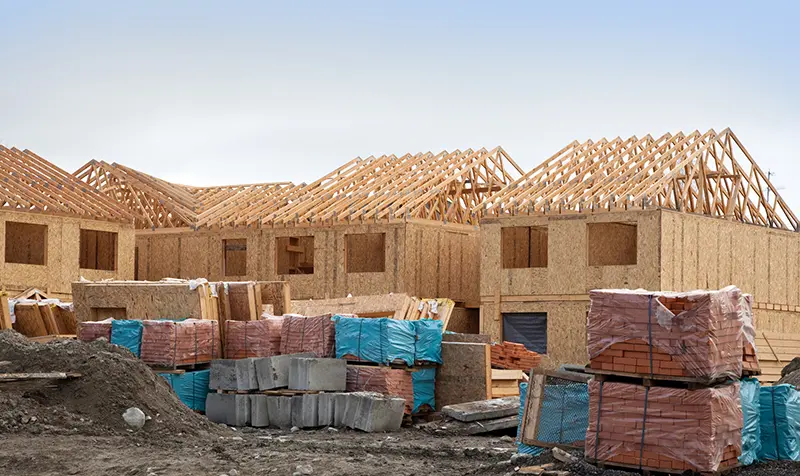
Builders Risk Insurance is a specialized policy that covers buildings and structures under construction, along with materials, supplies, and equipment on-site or in transit. It protects against risks like fire, theft, vandalism, and certain weather-related damages during the course of construction. This coverage is especially important for contractors and construction companies working on new builds, renovations, or major additions, as it ensures the project itself is protected from unforeseen losses that could delay completion or result in significant financial setbacks.
Who needs it? General contractors, property developers, or business owners managing large projects.
Commercial Auto Insurance
Commercial Auto Insurance provides coverage for vehicles used in your construction business, including pickups, vans, dump trucks, and fleets of five or more commercial-use vehicles. This type of policy protects against liability and physical damage resulting from accidents, theft, vandalism, or weather-related events. Since personal auto insurance doesn’t cover business-related driving, contractors need a commercial auto policy to ensure their vehicles, tools in transit, and drivers are properly protected on the road and at job sites.
Covers:
- Vehicle damage
- Liability in accidents
- Theft or vandalism
Your personal auto policy won’t cover business-related claims.
Workers’ Compensation (WSIB)
In Ontario, most construction companies are required to register with the Workplace Safety and Insurance Board (WSIB). This provides wage replacement and medical benefits to employees injured on the job.
Note: Independent operators or sole proprietors may also need WSIB clearance for certain projects.
Installation Floater
This policy covers materials and equipment that are in transit or temporarily stored on-site before installation.
Useful for: HVAC installers, electricians, or anyone supplying fixtures or systems for a project.
Professional Liability Insurance
Also known as Errors & Omissions (E&O) Insurance, this is essential for design-build firms or consultants offering advice, designs, or project management.
Covers:
- Design flaws
- Incorrect advice
- Project delays caused by professional errors

Get Your Commercial Auto Insurance Quote
Don’t leave your business exposed. Get a commercial auto insurance quote for single commercial use vehicle or fleet.
- Access to Canada’s leading insurers to get you the best combination of price and coverage for your business.
- Work with experienced brokers who understand the importance of your commercial vehicle or fleet to your business.
- Flexible payment plans from multi-pay to monthly designed to fit your budget.
Understanding the Contractor’s Risk Profile
Insurance companies use your business’s risk profile to determine what type and how much coverage you need. Here are some of the key factors they look at:
- Type of work: Residential vs. commercial, new builds vs. renovations.
- Work location: Urban sites may have higher risks (e.g., pedestrian traffic, underground utilities).
- Use of subcontractors: More subcontractors = more moving parts and liability concerns.
- Height and depth of work: Working at heights or digging trenches can raise your risk.
Understanding these factors can help you anticipate your insurance needs and avoid gaps in coverage.
Working with Subcontractors: Insurance Considerations
If you hire subcontractors, it’s important to make sure they carry their own insurance. Your policy is not meant to cover them.
Here’s what you should do:
- Request a Certificate of Insurance (COI) before work begins.
- Review their coverage for adequacy, including liability limits and workers’ comp.
- Include contractual safeguards such as hold harmless agreements and additional insured clauses.
This ensures that if a subcontractor causes damage or injury, their policy—not yours—will respond first.
How Much Does Insurance Cost for Construction Companies?
Insurance premiums vary based on the nature of your business and risk profile. In general, here are the main factors that affect your rates:
- Annual revenue
- Type of work performed
- Number of employees
- Use of subcontractors
- Claims history
- Coverage limits and deductibles
A note on subcontractor usage:
Insurance companies generally allow up to 25% of your gross revenue to go toward subcontractors. If you exceed that, it’s not necessarily a problem—but it will trigger extra underwriting questions and possibly increase your premium.
Get Your Construction Insurance Quote
Don’t leave your business exposed. Get a quote for builders risk or construction bonds.
- Access to Canada’s leading insurers to get you the best combination of price and coverage for your business.
- Work with experienced brokers who understand the challenges of the construction industry.
- Flexible payment plans from multi-pay to monthly designed to fit your budget.
Tips for Managing Risk and Lowering Premiums
Want to keep your insurance costs in check? Try these practical steps:
Create a Health & Safety Program
A formal safety plan can reduce workplace injuries and improve your claims history over time.
Train Your Employees
Ongoing training and certifications show insurers that your team is competent and safety-conscious.
Maintain Your Equipment
Broken or poorly maintained tools can lead to accidents. Regular inspections reduce risk and extend the life of your gear.
Bundle Your Policies
Working with one broker for all your business insurance needs can often lead to package discounts.
Keep a Clean Claims Record
Avoiding frequent claims helps you qualify for lower premiums and better coverage options.
Choosing the Right Insurance Broker
Not all brokers are created equal—especially when it comes to construction insurance. Look for someone with industry-specific knowledge and access to multiple commercial insurers in Ontario.
A good broker will:
- Assess your business needs
- Recommend appropriate coverage and limits
- Shop the market for competitive rates
- Help you understand your responsibilities under each policy
- Be there to assist if you ever need to make a claim
Working with a trusted advisor takes the stress out of managing your risk.
Construction is a dynamic and rewarding industry—but it also involves high stakes. The right insurance coverage protects your business, your clients, your equipment, and your reputation.
If you’re just getting started, speak with a licensed commercial insurance broker in Ontario who can help you build a strong foundation. With proper protection in place, you can focus on what you do best—building and growing your business.