

If you use a vehicle for your business—whether it’s a pickup truck for job sites, a van for deliveries, or a small fleet of vehicles—then commercial auto insurance is something you can’t afford to overlook. For small business owners and entrepreneurs across Ontario, understanding what’s covered under a commercial auto policy is key to protecting your business and staying on the road legally and safely.
In this article, we’ll walk you through the basics of commercial auto insurance, what’s typically covered, what isn’t, and how to make sure your business is protected.
What Is Commercial Auto Insurance?
Commercial auto insurance is designed to protect vehicles used for business purposes. While it shares similarities with personal car insurance, it offers coverage specific to business-related risks—things like transporting tools and equipment, making deliveries, or sending employees to job sites.
You need commercial auto insurance if:
- The vehicle is owned or leased by your business.
- You use your personal vehicle regularly for business purposes.
- You or your employees use vehicles to transport goods, tools, or clients.
Vehicles covered can include:
- Pickup trucks
- Cargo vans
- Dump trucks
- Passenger vehicles used for client transport
- Fleets of commercial-use vehicles
Core Coverages Explained
A commercial auto policy includes several core coverages—some mandatory in Ontario, others optional but highly recommended.
Liability Coverage
Liability insurance is mandatory and covers damage or injury you cause to others. This includes:
- Bodily injury to other drivers or pedestrians
- Property damage to vehicles, buildings, or fences
If you’re sued after an accident, this coverage also helps with legal costs.
Accident Benefits
This coverage helps pay for:
- Medical bills
- Rehabilitation
- Funeral expenses
- Income replacement
Direct Compensation – Property Damage (DCPD)
If another insured driver is at fault, DCPD allows you to be compensated directly by your own insurance company for:
- Damage to your vehicle
- Loss of use
- Damage to its contents
Uninsured Automobile Coverage
This kicks in if you’re injured or your vehicle is damaged by an uninsured or hit-and-run driver. It ensures you’re not left footing the bill when the at-fault party can’t pay.
Collision Coverage
Collision pays for repairs or replacement if your vehicle is damaged in an at-fault accident or hits an object like a pole or guardrail.
Comprehensive Coverage
Covers damage not caused by a collision. This includes:
- Theft or attempted theft
- Vandalism
- Fire
- Wind, hail, or falling objects
Get Your Commercial Auto Insurance Quote
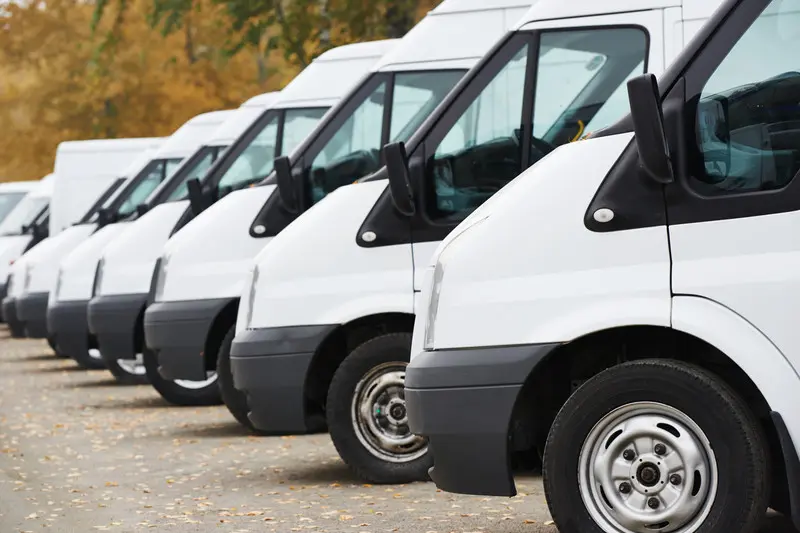
Don’t leave your business exposed. Get a commercial auto insurance quote for single commercial use vehicle or fleet.
- Access to Canada’s leading insurers to get you the best combination of price and coverage for your business.
- Work with experienced brokers who understand the importance of your commercial vehicle or fleet to your business.
- Flexible payment plans from multi-pay to monthly designed to fit your budget.
Optional and Endorsed Coverages
You can customize your policy with several helpful add-ons, depending on how your business uses its vehicles.
OPCF 27 – Liability for Non-Owned Vehicles
Covers vehicles you rent or borrow for business purposes. Essential if you rent vehicles for short-term projects or travel.
OPCF 20 – Loss of Use
Pays for a rental vehicle if your insured vehicle is being repaired after a covered claim.
OPCF 21B – Blanket Fleet
Applies to businesses with five or more vehicles. Makes it easier to manage your policy by treating all vehicles as part of one group, with consistent coverage.
Roadside Assistance and Towing
Covers emergency towing, battery boosts, flat tire changes, and lockouts. Ideal for businesses that rely on timely transportation.
Cargo or Equipment Insurance
Some insurers offer this separately or as an add-on to cover tools, equipment, or transported goods. Crucial for contractors and delivery businesses.
Who Is Covered?
It’s not just the business owner who’s protected—your policy extends to other drivers, but only under certain conditions.
- Named Drivers: Anyone listed on the policy is fully covered.
- Employees: If employees are driving business vehicles as part of their job duties, they’re generally covered.
- Occasional Drivers: Must be disclosed to your insurer. If someone regularly drives the vehicle but isn’t listed, coverage may be denied.
It’s important to update your broker any time someone new starts driving a company vehicle.
What’s Not Covered
While commercial auto insurance is comprehensive, it doesn’t cover everything. Knowing the limitations can prevent unexpected surprises at claim time.
Here are some common exclusions:
- Personal Use (Undisclosed): If a business vehicle is being used for personal errands and it’s not disclosed to the insurer, a claim could be denied.
- Use of Personal Vehicle for Business: If an employee uses their personal car for deliveries or site visits and the policy doesn’t include non-owned vehicle coverage, they may not be covered.
- Unauthorized Drivers: If someone drives the vehicle without permission—or is specifically excluded—your policy won’t respond.
- Transporting Hazardous Goods: This often requires specialized coverage not included in a standard policy.
- Illegal Acts or Mechanical Failures: If the damage results from criminal activity or mechanical breakdown, it’s typically not covered.
How to Make Sure You’re Properly Covered
Here are a few best practices to ensure your coverage matches your business needs:
- Work with a Broker: A licensed insurance broker in Ontario can help assess your business operations and recommend the right protection.
- Keep Records Up to Date: Update your policy regularly with new or sold vehicles, changes to driver lists, and modifications to vehicle usage
- Review Annually or After Major Changes: If you expand your business, hire more staff, or add a new service line, it might be time to adjust your coverage.
- Ask About Industry-Specific Risks: Delivery businesses, contractors, and tradespeople all have unique risks. Your broker can suggest endorsements that fit your operation.
Common Scenarios and How Coverage Applies
Here are a few examples of how commercial auto insurance works in real life:
Delivery Van Rear-Ends Another Car: Your liability and accident benefits cover damages and injuries to the other driver. If your van is also damaged, collision coverage would apply.
Work Truck Stolen Overnight: Comprehensive coverage pays to replace your stolen truck and any permanently attached equipment.
Commercial auto insurance is more than just a legal requirement—it’s a vital layer of protection for your vehicles, your people, and your business. Whether you’re a contractor driving a single pickup or managing a fleet of delivery vans, understanding what’s covered (and what’s not) can save you from financial hardship down the road.
If you’re unsure about your current coverage, speak with a licensed Ontario broker who understands your business and can help you find the right protection. Peace of mind is just one conversation away.